Sustainable development has become a common topic of global discussion. With the implementation of the “dual carbon” goals, companies are increasingly focusing on green production. McKinsey’s report shows over 80% of Chinese respondents indicated willingness to pay extra for eco-friendly packaging.
1. Focus on Core Brand Values and Sustainability
When reviewing the existing CIS design, assess the consistency of its elements with sustainable principles. Start by examining logos, fonts, color schemes, and visual elements.
● Logo
Explore ways to incorporate sustainable imagery into the design, such as adding a stylized tree or leaf symbol to evoke nature and sustainability.
● Typography
Consider choosing fonts with eco-friendly connotations, inspired by nature or designed specifically for sustainability-focused brands.
● Color Scheme
Opt for color schemes that reflect sustainable values—earth tones or hues inspired by the natural environment.
● Visual Elements
Examine graphic elements for relevance to sustainability. Consider incorporating renewable energy imagery like wind turbines or solar panels.
2. Choosing Sustainable Materials
● Printed Materials
Opt for recycled paper or FSC-certified paper. Use soy-based inks and non-toxic coatings to reduce environmental harm.
● Signage
Use recycled or refurbished materials and energy-efficient LED lighting.
● Packaging
Choose recyclable or compostable materials. Minimize size and weight to reduce transportation impacts.
● Promotional Items
Choose products made from sustainable materials such as bamboo, organic cotton, or recycled plastic.
3. Streamlining and Simplifying
Sustainable CIS design embraces simplicity and minimalism. Simplify layout, remove unnecessary visual elements, and use white space effectively.
4. Incorporating Sustainable Symbols
● Natural Imagery
Incorporate visual elements inspired by nature—leaves, trees, animals, recycling arrows, water droplets, or earth icons.
● Organic Shapes
Introduce organic shapes that mimic natural structures, evoking harmony, balance, and sustainability.
● Sustainability Icons
Use recognized symbols like Energy Star or LEED to communicate adherence to sustainability standards.
5. Considering Digital Alternatives
Exploring digital alternatives significantly reduces resource consumption. Replace printed brochures with interactive online presentations and e-catalogs.
6. Communicating Sustainability Values
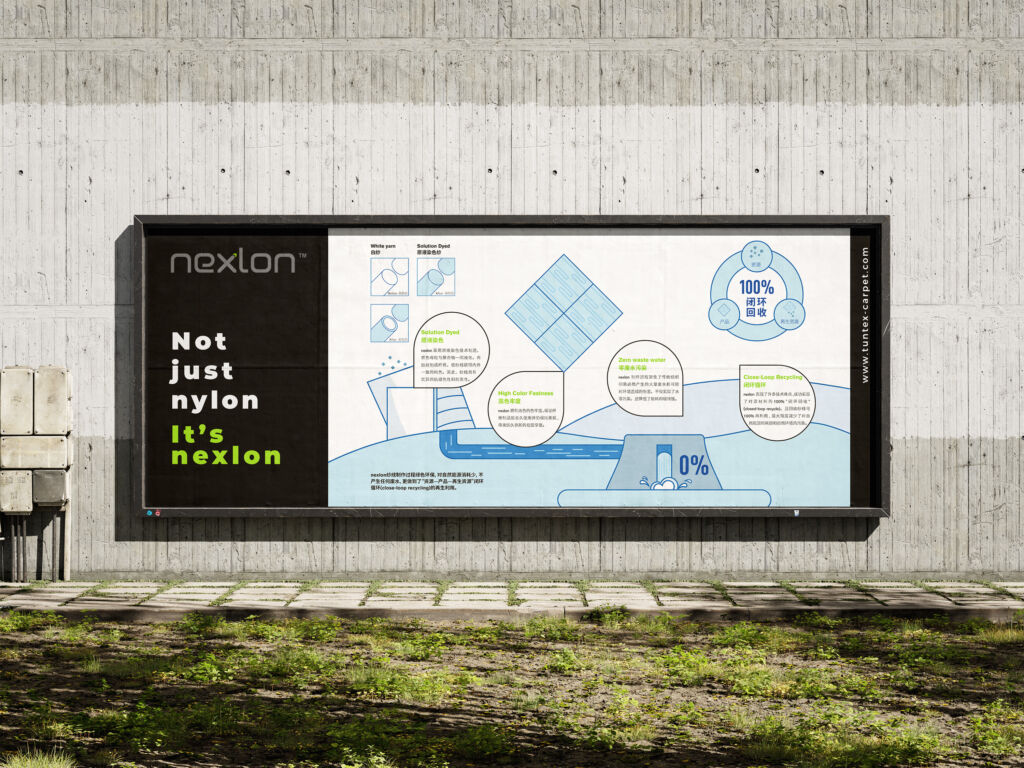
Use visual storytelling, infographics, and data visualization to communicate sustainability milestones, environmental initiatives, and social impact projects.
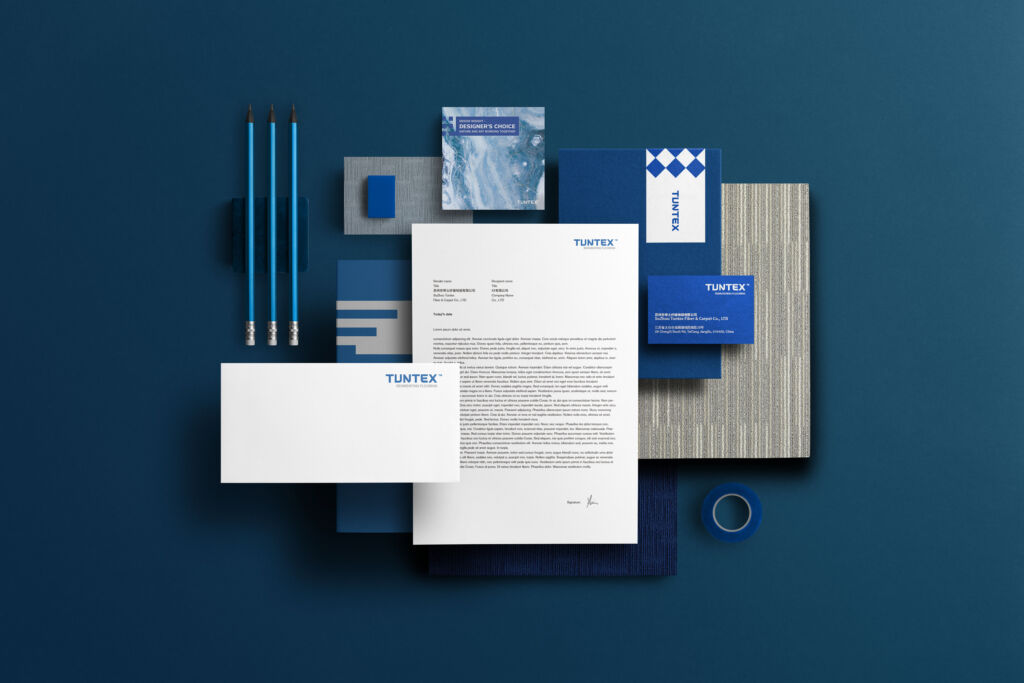
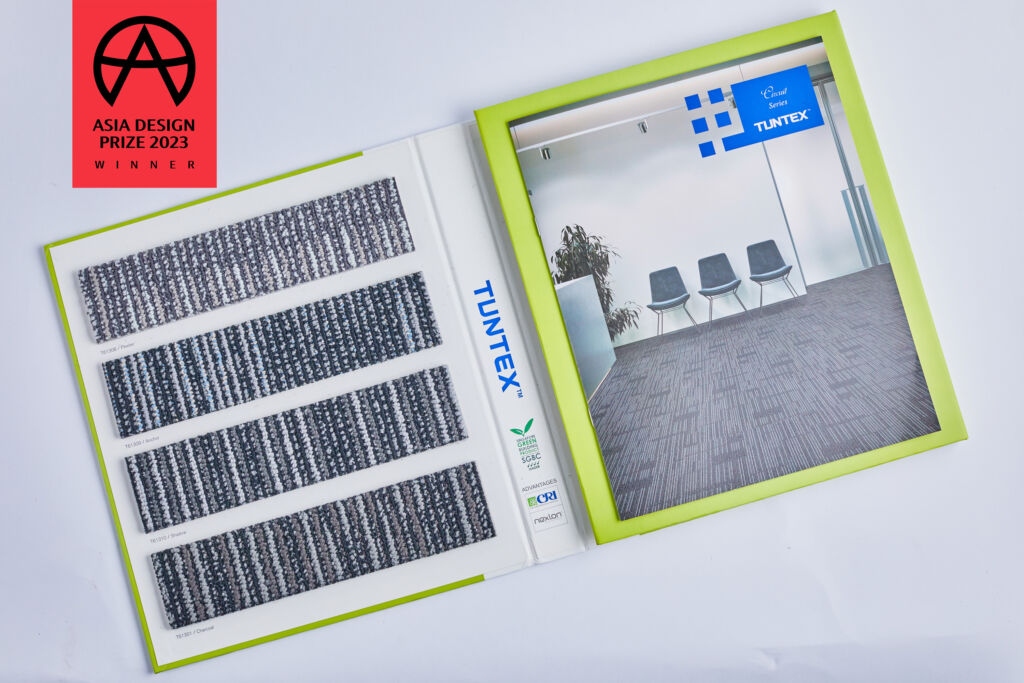
7. Sustainable Design Case: Tuntex
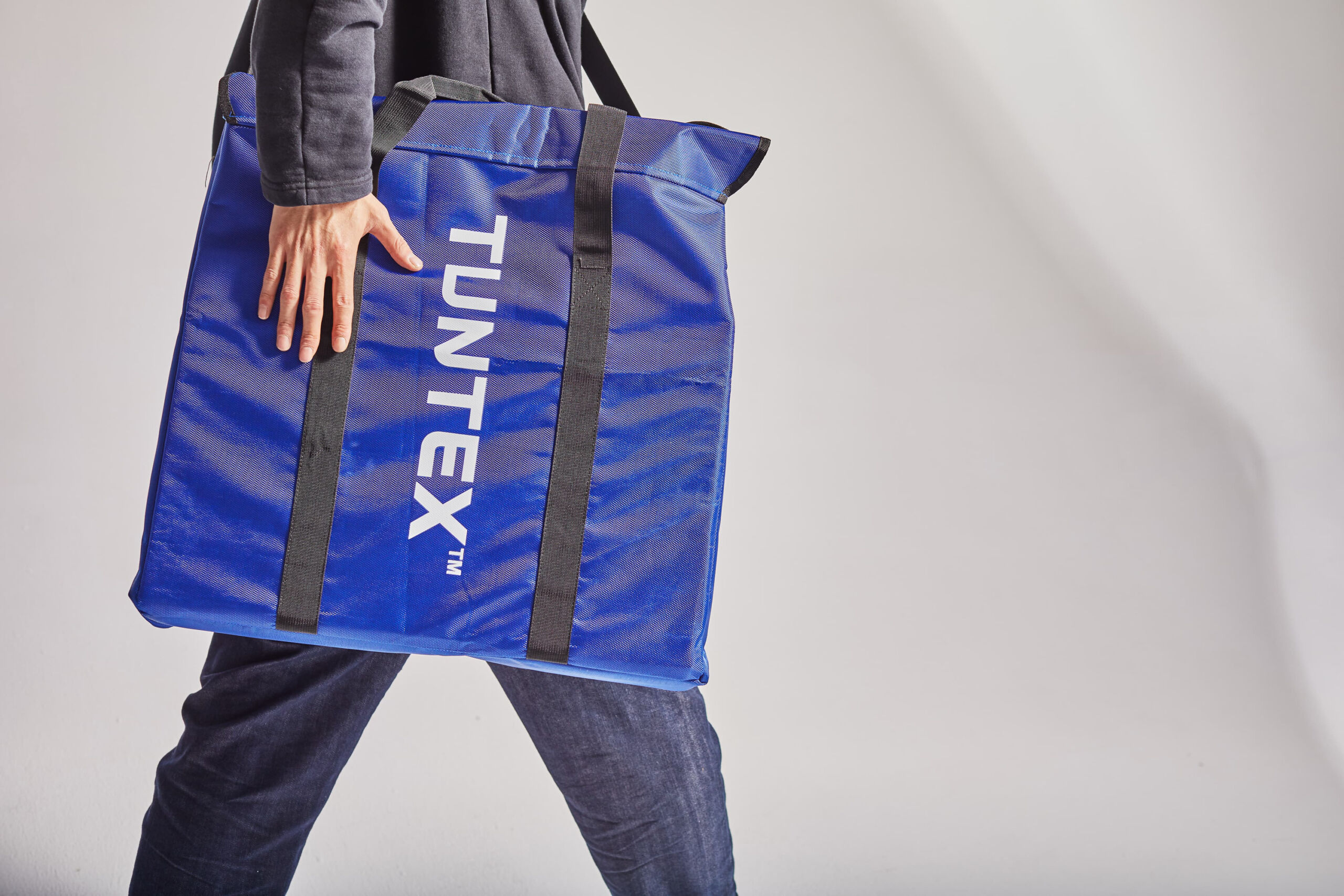
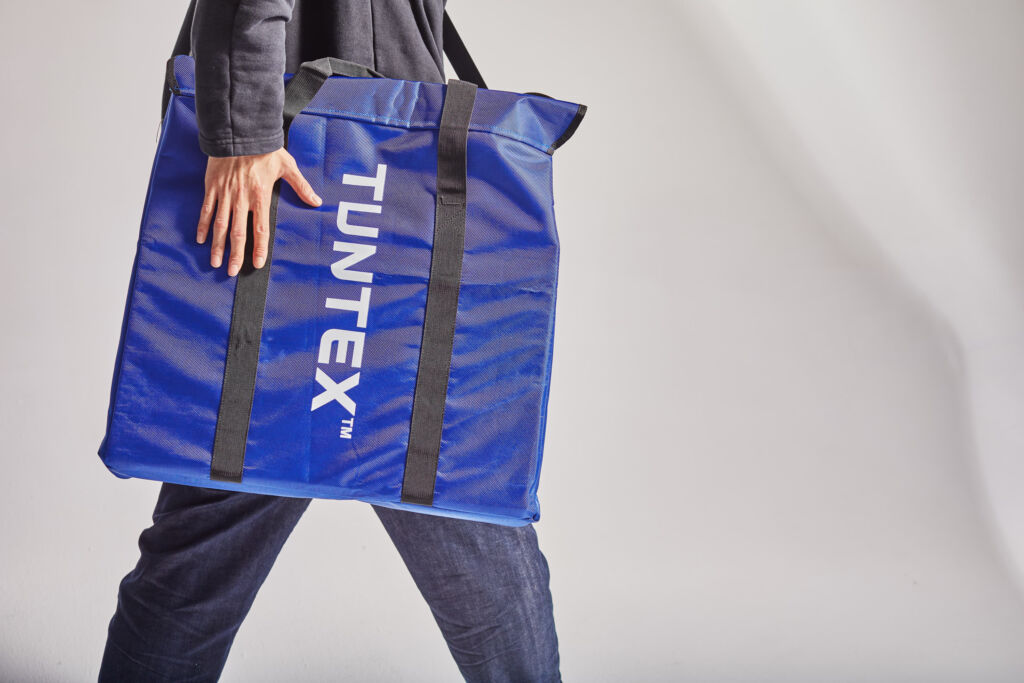
Tuntex, a high-quality carpet manufacturer with 55 years of experience, has long been committed to environmental principles. taasdesign helped Tuntex shift from manufacturing expertise to brand innovation through systematic brand experience design.
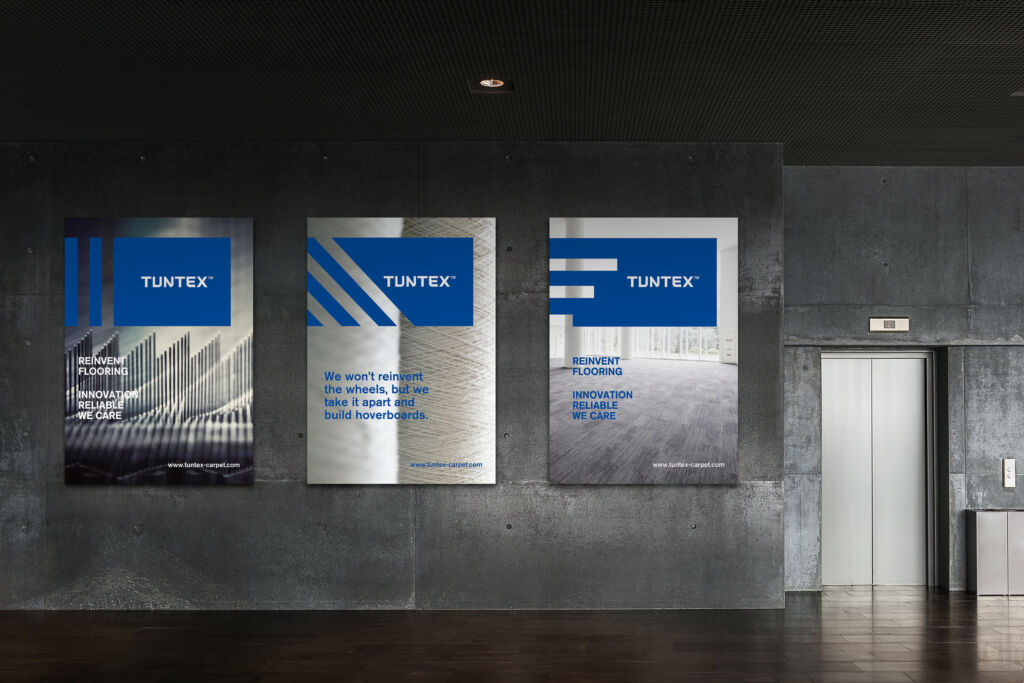
Inspired by the Tuntex product recycling process, we abstracted the five key steps of carpet recycling into five different shapes combined through different color blocks to form a changing yet unified visual element. The new brand image subtly conveys environmental protection values. This brand visual strategy was honored with the Winner award at the 2023 Asia Design Awards.
Sustainable design is an iterative process. By incorporating sustainable principles into CIS design, brands can authentically communicate their commitment to sustainability and contribute to a more sustainable future.