
People are increasingly focused on corporate sustainability and the disclosure of related issues. One frequently asked question is: What is the difference between CSR and ESG?
CSR (Corporate Social Responsibility) and ESG (Environmental, Social, and Governance) are different frameworks used by companies to assess sustainability. In simple terms, CSR can be seen as an internal framework, while ESG provides a metric for investors and companies to evaluate performance. As a measure of corporate sustainability, ESG is currently surpassing CSR.
Differences Between ESG and CSR
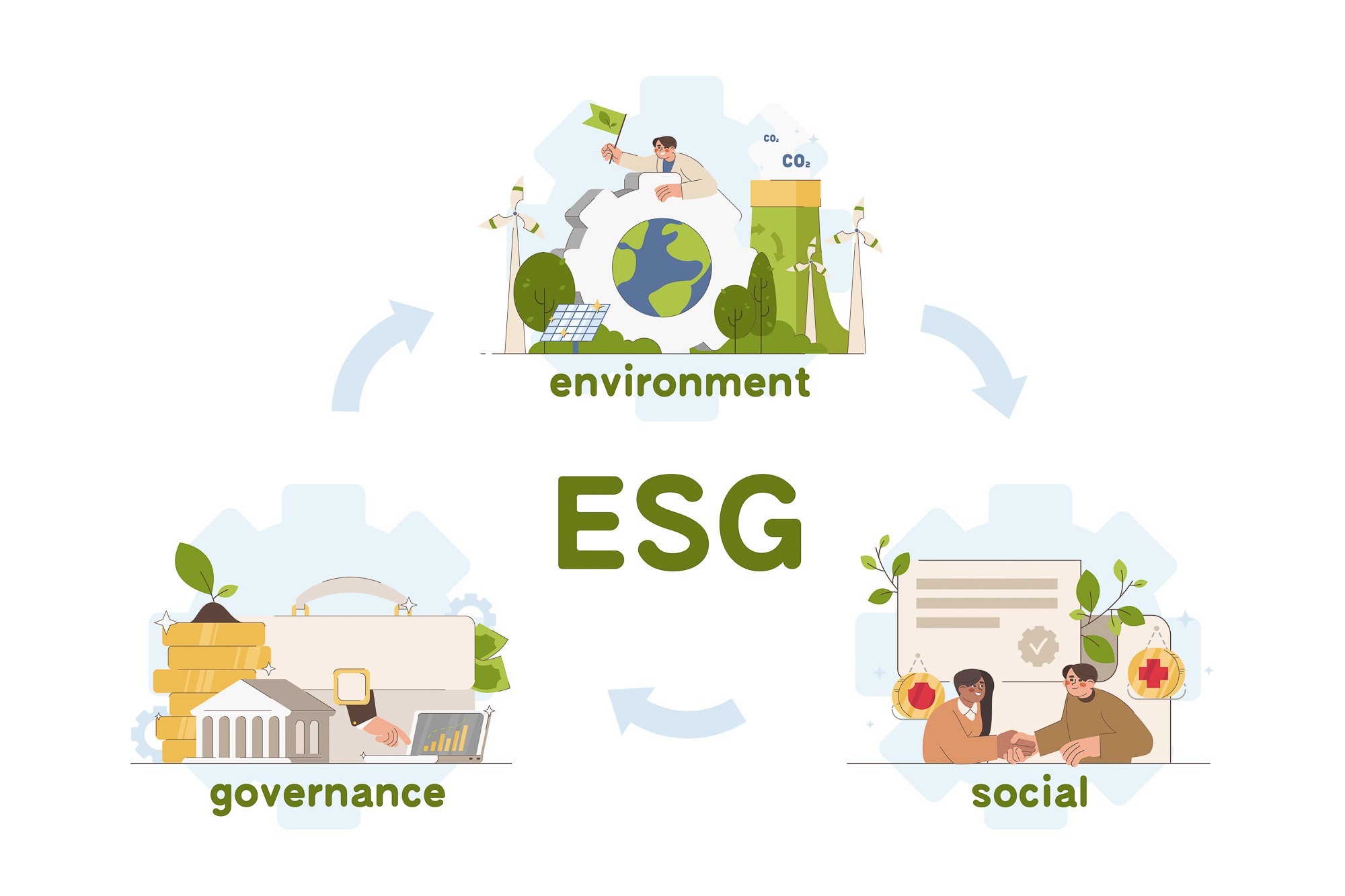
ESG refers to a company’s responsibilities in the areas of Environment, Social issues, and Governance. Globally, ESG is deeply changing the rules of the business world and has become an important framework for assessing a company’s sense of social responsibility and sustainability, beyond just financial statements.
Although ESG and CSR are interconnected, they are not synonymous. CSR is more about building awareness and highlighting goals within a company, with a focus on qualitative aspects. Meanwhile, ESG provides measurable metrics that can instill confidence in investors and the broader market.
Essentially, CSR provides the context for sustainable development agendas and corporate responsibility culture, while ESG focuses more on specific actions and measurable outcomes. To clarify: CSR focuses on values, while ESG focuses on goals.
A paper bag manufacturer implementing both CSR and ESG policies demonstrates this difference—CSR is shown through internal communications and press releases showcasing sustainability commitments, while ESG goes further by setting measurable goals such as increasing the use of recycled materials by 20% within three years.
Key Factors for Implementing CSR
When companies practice CSR initiatives, they must first recognize the key sustainability issues within their industry. The following are five key factors to consider:
Corporate Culture — Foster a culture that reflects ethical standards and core values related to social and environmental management.
Health and Safety — Establish clear workplace health and safety standards, including measures to mitigate negative environmental impacts.
Environmental Factors — Actively address the company’s environmental impact by setting goals to improve resource management and reduce carbon emissions.
Social Aspects — Make diversity and fair treatment of employees a core value. Strengthen relationships with local communities.
Education and Listening — Encourage an environment of continuous learning and improvement by seeking input from employees, suppliers, and customers.

Key Steps for Implementing ESG
ESG best practices have become a critical component of successful business strategies. Incorporating ESG into business management requires a comprehensive approach. Here are the key steps:
Conduct a Risk Assessment — Identify potential ESG risks at each stage of operations to prioritize areas for improvement.
Evaluate the Entire Supply Chain — Assess every step from supplier selection to product delivery and collect data on current sustainability status.
Set Specific ESG Goals — Set consistent, clear, and measurable goals aligned with identified ESG risks and opportunities.
Stakeholder Engagement — Engage suppliers, partners, customers, and other stakeholders in identifying risks and opportunities.
Collaborate with External Organizations — Form partnerships with NGOs, industry groups, or government bodies to drive ESG initiatives.
Monitor and Measure Progress — Implement robust monitoring systems to track ESG performance using KPIs.
Embrace Innovation and Technology — Utilize emerging technologies to promote sustainability within the supply chain.

From CSR to ESG
Historically, the advocacy and practice of CSR largely stemmed from reflections on the negative consequences brought about by profit-maximizing business practices. Under pressure from public opinion, large companies began to adopt CSR initiatives to enhance their brand image. However, this voluntary initiative has gradually evolved into mandatory norms enforced through international agreements and regional regulations.
Today, investors, regulatory bodies, industry leaders, NGOs, and the public are pressuring companies to provide measurable evidence of their positive social impact. The mainstream context of the business world has gradually shifted from CSR to ESG, which demands a comprehensive review of the impact of business activities on the environmental ecosystem, society, employees, and the business itself.