
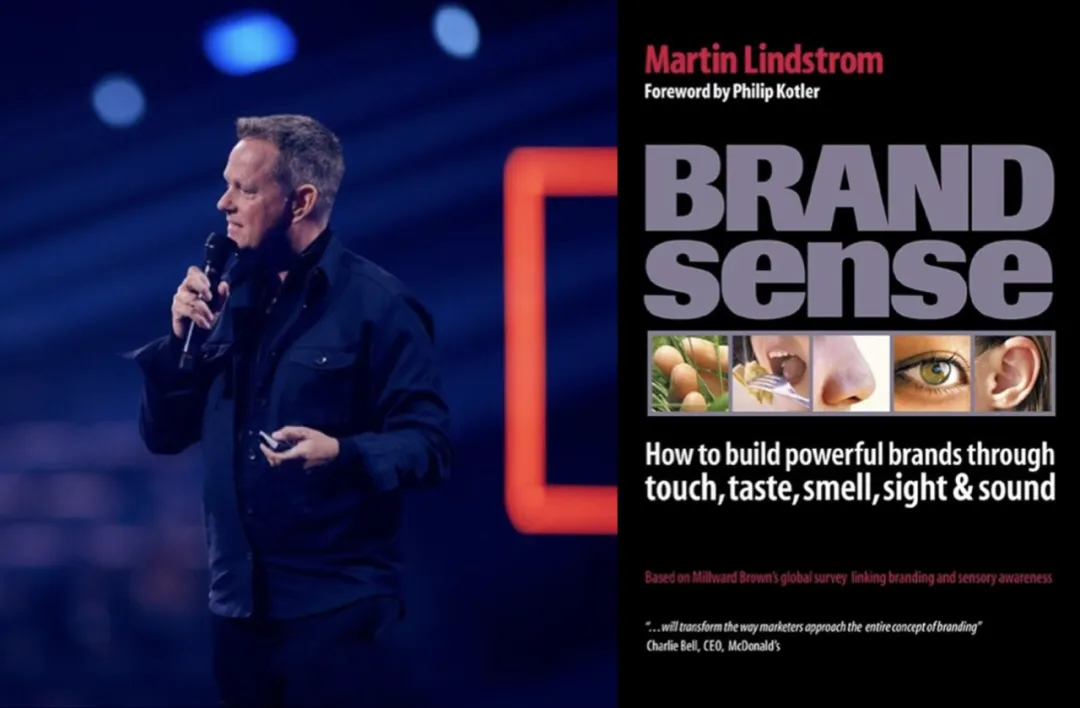
In his book Brand Sense, American branding expert Martin Lindstrom introduced the theory of five-sense marketing: sight, sound, smell, taste, and touch. According to Lindstrom, brands should leverage the five human senses in their marketing strategies to build a differentiated brand advantage.
With the rise of Gen Z consumers, traditional five-sense experiences are no longer enough to meet their needs. To engage these younger consumers, marketing creativity must leverage a new “five senses” approach to capture their attention across diverse market segments.
Unlike the traditional five senses, the new sensory experiences focus on pursuing “spiritual values.” Modern young people no longer live cautiously; they embrace occasional relaxation and even moments of letting go.
The New Five Senses of Brands That Young People Love:
01 Sense of Relaxation
A safe haven to escape from stress
For many young people, life feels like a whirlwind of nonstop activities, responsibilities, and pressures. Brands that create a sense of relaxation have become a refuge, offering a space where they can unwind and reconnect with themselves. By incorporating soothing colors, calming visuals, or encouraging messages to take a pause, these brands offer more than just a product or service—they provide a touch of tranquility in an otherwise hectic world.
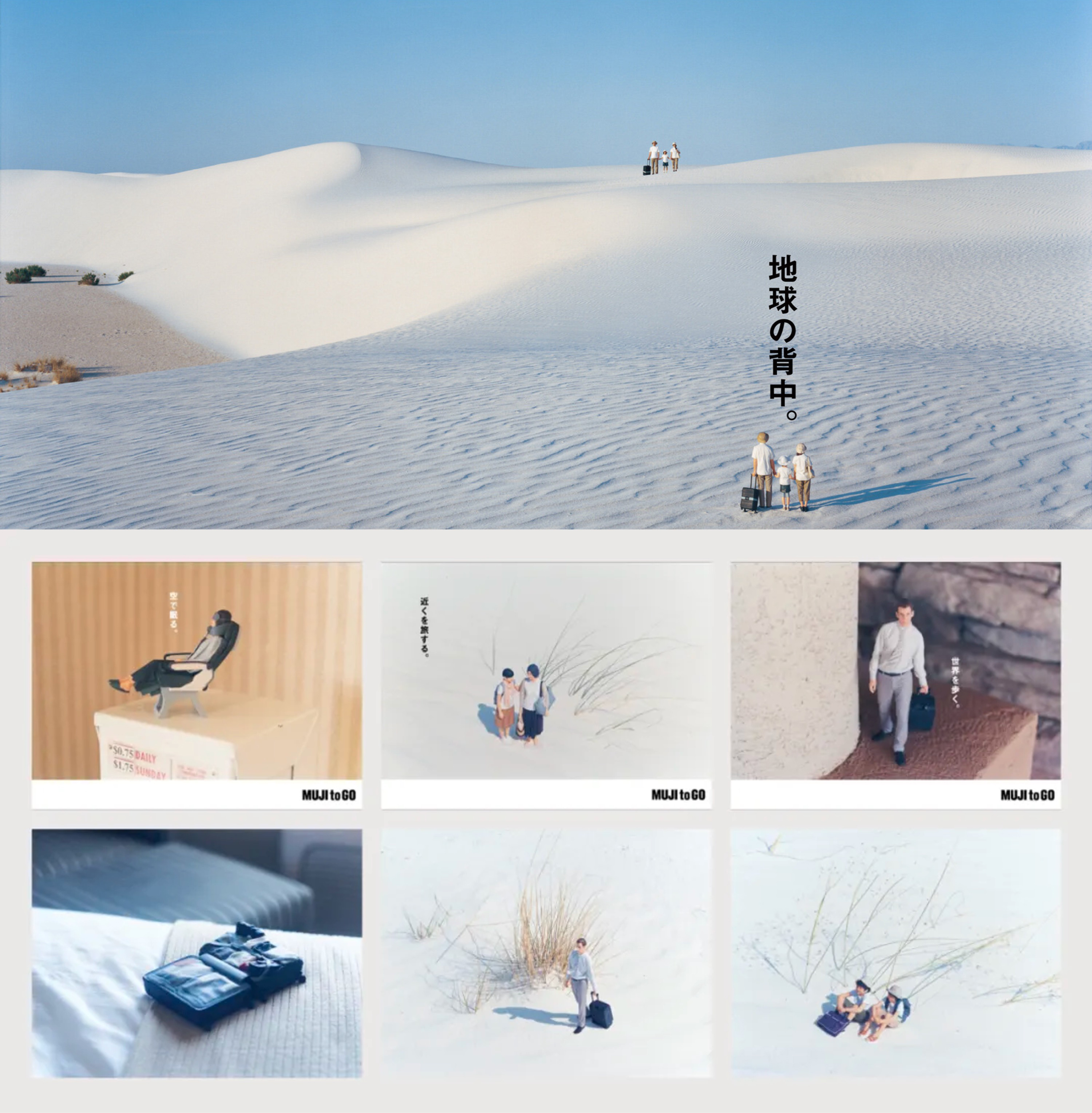
For example, Headspace is an app that offers meditation and mindfulness practices to help users reduce stress and find inner peace. Through its simple, soft interface design and soothing voice guidance, Headspace creates a sense of relaxation, allowing users to find moments of calm in their fast-paced lives.
02 Authenticity
Embracing Realness
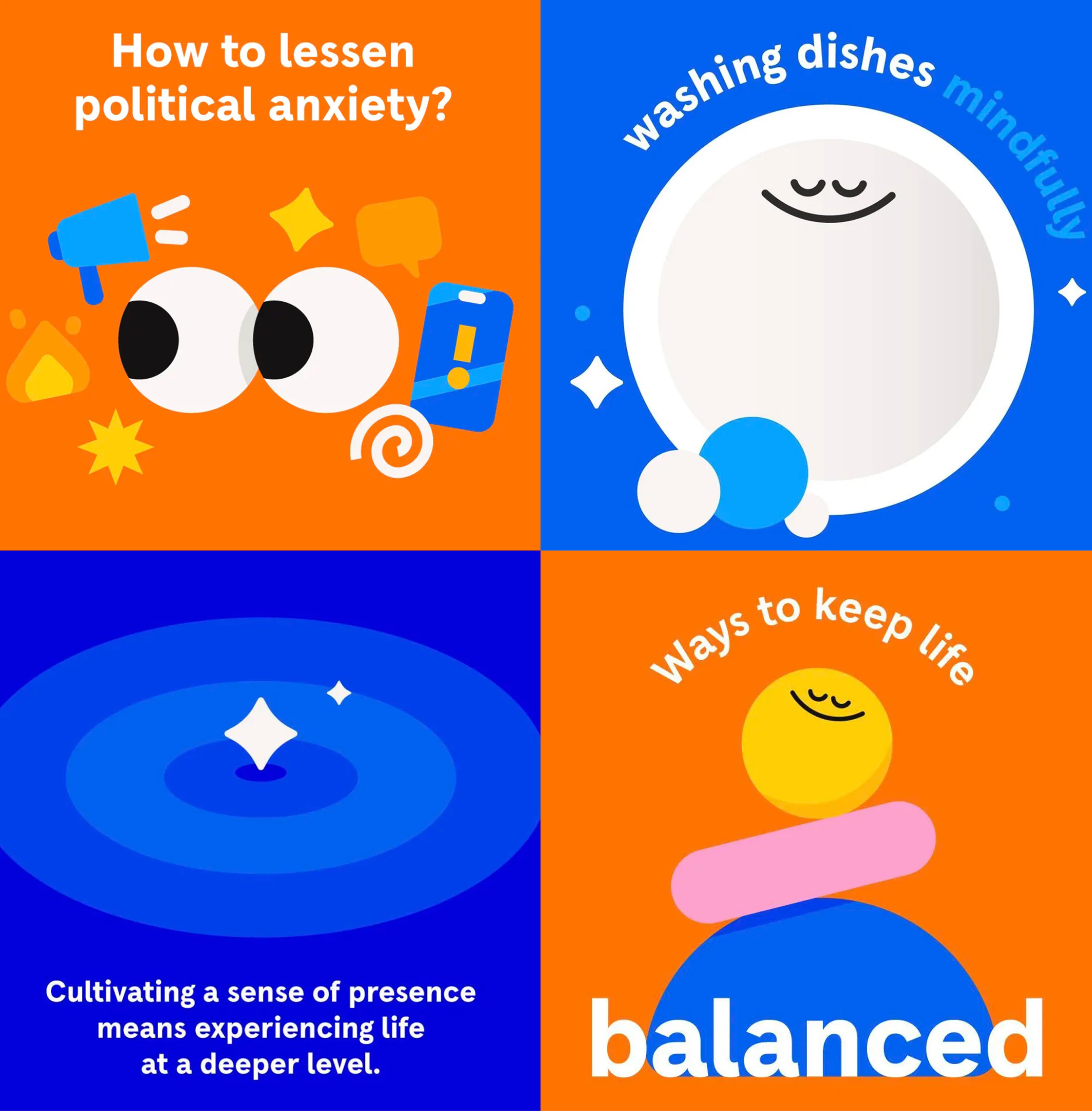
In the digital age, despite the widespread pursuit of perfection, young people have a growing desire for authenticity. They are more drawn to brands that openly showcase their true selves without pretense. Patagonia, for example, maintains transparent business practices and stays true to its environmental commitments, earning the trust and loyalty of the younger generation.

03 Presence
Leaving a Lasting Impression
Presence is not just about being seen; it’s about being deeply felt. Today’s young consumers expect brands to do more than just offer products—they want brands to have a place in their lives and to express a clear stance. Ben & Jerry’s, an ice cream brand centered around social justice, has gained the trust of young people by supporting movements like climate change awareness and LGBTQ+ rights.

04 Social Connection
Building Communities
In the digital environment, the definition of connection has been reshaped, giving brands a unique opportunity to foster these connections. Whether through creating online communities, encouraging user-generated content, or simply serving as a platform for sharing experiences, brands that prioritize social connections will play a significant role in the social lives of young people.
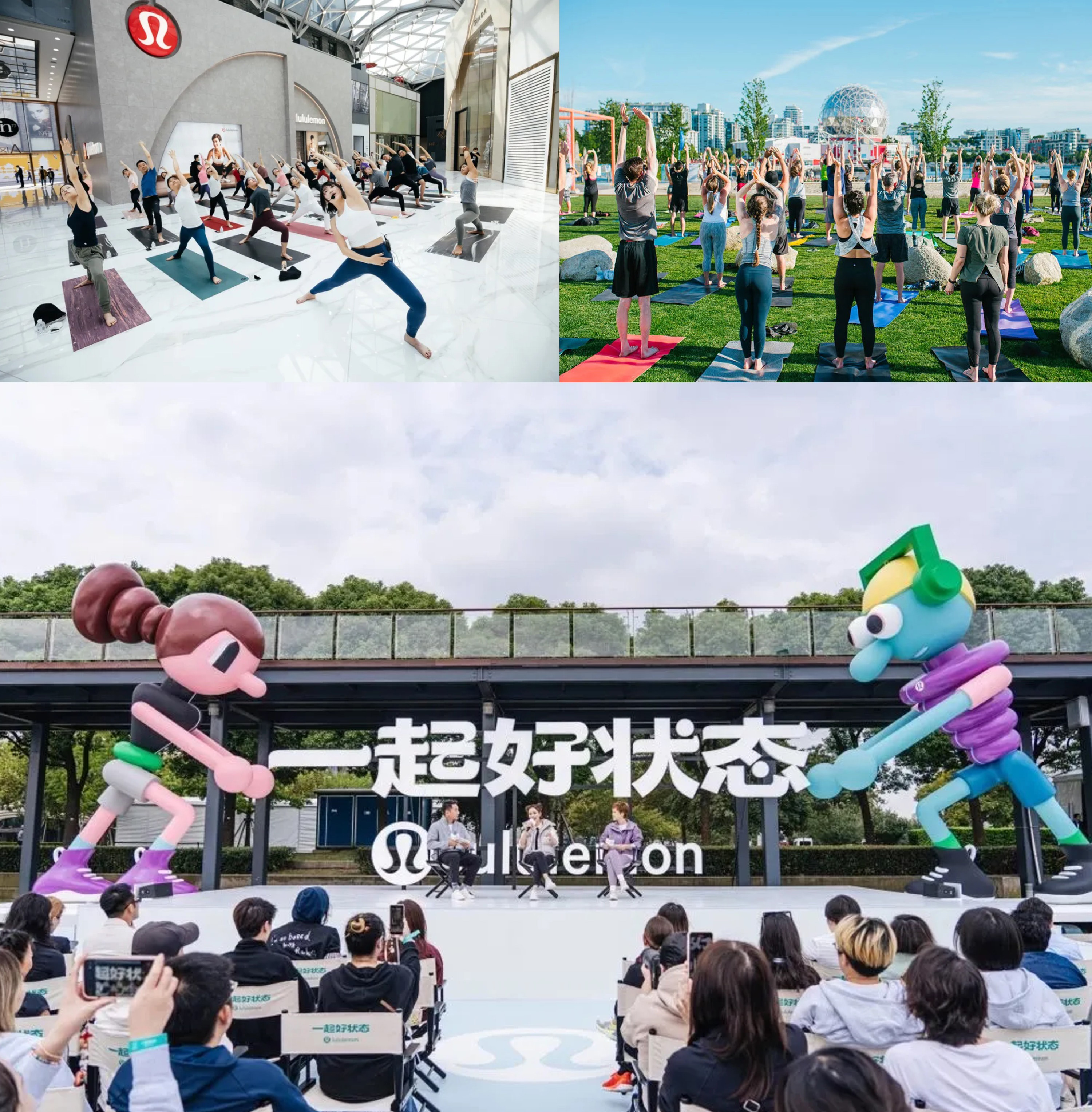
For example, each lululemon store serves as the heart of a community, attracting yoga and fitness enthusiasts to gather, interact, and exchange ideas, ultimately creating a more comprehensive sports lifestyle community.
05 Atmosphere
Creating an Immersive Experience
Atmosphere is the sum of the sensory details that a brand integrates to create an unforgettable experience, whether it’s the feeling when entering a store, browsing a website, or opening packaging. For young people, atmosphere is crucial as it transforms an ordinary transaction into a memorable experience.
For example, GENTLEMONSTER uses unique scene design to immerse young people in the brand’s distinctive charm. Their stores are designed like art galleries, with each location having its own unique theme and displays.

The New Five Senses: A More Sensory Approach
Unlike traditional five senses, the new sensory experiences are centered around “spiritual values.” They focus more on “emotions” than on the “product.” Modern young people no longer live cautiously; they embrace the idea of occasional “lying flat” and “slacking off,” seeking higher-level experiences to fulfill themselves.
Relaxation + Authenticity: Finding Moments of Peace in a Fast-Paced World
Brands that overly emphasize brand philosophy or product performance often fail to resonate with young people. By combining relaxation and authenticity in brand marketing—without over-packaging, and conveying real stories—brands can build a closer connection with young people.
Relaxation + Presence: Leaving a Lasting, Unique Impression
Each day, people are exposed to thousands of brands, and brands need to establish a unique style that makes consumers think of their strengths and features in specific situations.
Social Connection + Atmosphere: Finding Belonging and Recognition Through Interaction
Social interaction is an essential behavior for young people. They gain interaction and recognition through “sharing,” and in doing so, find more like-minded individuals.
Conclusion
The “New Five Senses” is not just a marketing strategy; it’s a way to deeply understand and connect with the younger generation. As consumer behaviors continue to evolve and market competition intensifies, this concept provides guidance for future brand planning. The trend for future brands will focus more on emotional resonance and immersive experiences, emphasizing the establishment of deep connections with consumers, rather than just pushing products.